Why Winter Preparation is Critical for Montana HomeownersMontana's winter climate presents homeowners with a formidable set of challenges that demand serious preparation. The state experiences some
Dated: September 16 2025
Views: 889
Introduction: Montana's National Parks and Real Estate Landscape
Montana is home to some of America's most breathtaking natural treasures, including portions of two iconic national parks: Glacier National Park in the northwest and a section of Yellowstone National Park along the state's southern border. These protected wilderness areas represent not only critical conservation efforts but also serve as powerful economic engines for the state.
Glacier National Park, often called the "Crown of the Continent," spans over one million acres of pristine mountain ecosystems, featuring more than 700 lakes, numerous waterfalls, and extensive hiking trails that traverse its alpine meadows and rugged peaks. Meanwhile, though primarily located in Wyoming, Yellowstone's Montana gateway communities benefit substantially from the park's 4 million annual visitors seeking to experience its geothermal wonders and diverse wildlife.
These natural attractions exist alongside Montana's evolving real estate market, which has experienced remarkable growth in recent years. According to NextHome Northwest Real Estate, "the typical Montana home value has increased by a staggering 66% in just four years," highlighting the state's rapidly appreciating property market. This growth has been particularly pronounced in western Montana, where the outdoor recreation economy thrives due to "a lot of access to mountains, national parks, and public lands," with nearly 75% of the state's outdoor economy employment concentrated in this region.
This article aims to examine the complex relationship between Montana's national parks and surrounding property values. We will explore how proximity to these natural wonders affects real estate markets, analyze the economic benefits and challenges created by park-adjacent development, and consider the future outlook for property owners and potential investors in these unique areas. By understanding these dynamics, stakeholders can better navigate the intersection of conservation, tourism, and real estate development in Montana's most scenic regions.
Montana's real estate landscape reveals a fascinating pattern: properties closer to national park boundaries often command significantly higher values, a phenomenon economists refer to as the "proximity premium." This effect is particularly pronounced near Yellowstone and Glacier National Parks, where homes within a 10-mile radius of park entrances can command price premiums of 20-30% compared to similar properties further away.
The proximity premium operates on a gradient system. Properties immediately adjacent to park boundaries typically see the highest value increases, with the effect gradually diminishing as distance increases. However, even properties within a 30-mile radius can benefit from what real estate professionals term the "national park halo effect."
Recent data from Montana's Department of Revenue highlights this trend. Glacier County, home to much of Glacier National Park, saw median residential home values increase by 9% between 2024 and 2025, from $137,000 to $149,000. While this increase is significant, it's actually moderate compared to some communities directly bordering park entrances.
The communities of West Yellowstone, Gardiner, and Cooke City—all gateway communities to Yellowstone National Park—have experienced some of Montana's most dramatic property value increases. West Yellowstone, in particular, has seen median home values nearly triple over the past decade, with limited housing inventory and high tourist demand creating a perfect storm for property appreciation.
East Glacier Park Village and West Glacier demonstrate similar patterns near Glacier National Park, though with different market dynamics. West Glacier properties command higher premiums due to better year-round accessibility and proximity to Whitefish, while East Glacier properties, though less expensive overall, have seen faster percentage growth in recent years.
This proximity premium isn't uniform across Montana, however. Communities near less-visited national park units, such as Grant-Kohrs Ranch National Historic Site, show a much more modest correlation between park proximity and property values. This suggests that visitor numbers, recreational opportunities, and scenic value significantly influence the strength of the proximity premium.
The COVID-19 pandemic accelerated these trends dramatically, with Montana experiencing some of the nation's most dramatic property value increases. During 2021 and 2022, prices jumped by nearly 30% and 32% respectively in many park-adjacent communities. While growth has moderated since then, the premium for park-adjacent properties remains firmly established.
The proximity premium concept extends beyond just residential properties. Commercial properties, particularly those in the hospitality and tourism sectors, show even more dramatic value differences based on park proximity. Hotels and restaurants within walking distance of park entrances can command significantly higher revenues per square foot, translating to substantially higher property values.
Understanding these proximity-based value patterns is essential for potential investors, homebuyers, and policy makers in Montana's unique real estate landscape, where natural amenities often drive market dynamics more powerfully than traditional urban conveniences.
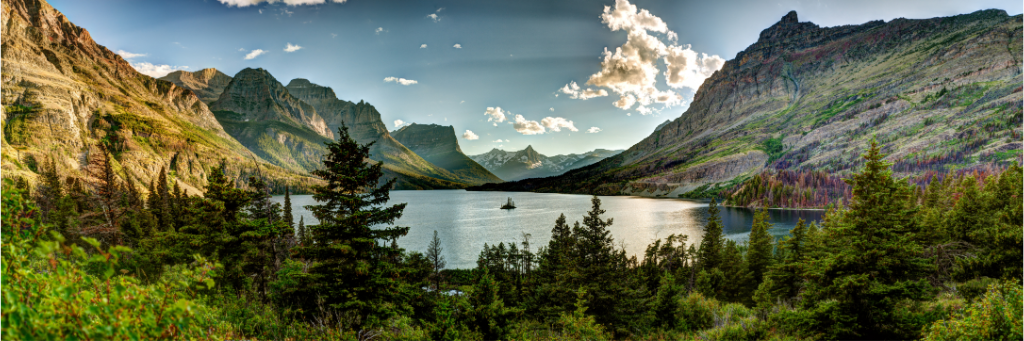
Montana's national parks serve as powerful economic engines for the state, generating substantial tourism revenue that ripples through local economies and housing markets. Glacier National Park alone contributed over $554 million to the local economy in recent years, supporting 5,725 jobs in surrounding communities. This economic impact extends beyond immediate park boundaries, influencing property values and development patterns across wider regions.
The scale of tourism's economic influence in Montana is remarkable, with recent data showing out-of-state visitors spending nearly $5 billion annually. These expenditures directly support $3.9 billion in local economic activity throughout the state. Communities near national parks typically experience heightened demand for both short-term accommodations and long-term housing, creating a complex relationship between tourism and property values.
Seasonal visitation patterns to Montana's national parks create distinctive rhythms in local housing markets. Summer months bring peak visitor numbers, driving short-term rental prices upward and temporarily reducing housing availability for residents. Winter months see different patterns, with areas offering winter recreation maintaining stronger property values year-round compared to locations exclusively dependent on summer tourism.
The tourism-based economies surrounding Montana's national parks create both opportunities and challenges for long-term property values. While tourism revenue contributes to infrastructure improvements, business development, and enhanced amenities that boost property values, communities must balance these benefits against affordability concerns for local residents. Properties within commuting distance of national parks often command premium prices, reflecting their dual appeal as personal residences and potential income-generating investments through vacation rentals.
The proximity to Montana's national parks creates significant housing affordability challenges for gateway communities, particularly in areas like Whitefish near Glacier National Park. These communities face a growing disparity between tourism-driven property values and the income levels of local residents who provide essential services to the tourism economy.
In Whitefish, the tension between development, affordability, and preservation has reached critical levels. Public hearings regarding new developments frequently become emotionally charged as residents grapple with competing priorities. As reported in the Flathead Beacon, proponents of developments closer to city centers argue that such projects are essential steps toward addressing the affordable housing crisis, while others express concerns about overdevelopment and changing community character.
The severity of the situation is highlighted by national assessments. According to a 2024 report from the National Association of Realtors, Montana ranked as the least affordable state in the nation when comparing home listings to local incomes. This affordability gap is particularly pronounced in gateway communities where tourism and second-home markets drive prices beyond what local service workers can afford.
The influx of wealth to these areas has created additional complications for affordable housing initiatives. In some cases, wealthy property owners have actively opposed developments intended to increase housing supply for local workers. Forbes documented how a proposed housing development in Whitefish faced significant opposition from affluent residents, despite the community's acknowledged housing crisis.
Local governments in these gateway communities have responded with various policy initiatives, including inclusionary zoning requirements, deed restrictions to maintain long-term affordability, and the creation of housing trust funds. However, these measures often struggle to counterbalance the market forces driven by the natural amenity values of nearby national parks.
The displacement of long-term residents represents one of the most concerning social impacts of this dynamic. Multi-generational families and essential workers increasingly find themselves priced out of communities where they have deep roots, threatening the authentic character and functional sustainability of these gateway towns. The resulting workforce shortages further strain local economies that depend on tourism service industries, creating a self-reinforcing cycle of affordability challenges.
The gateway communities surrounding Montana's national parks experience unique commercial real estate dynamics driven by their proximity to these natural treasures. In West Yellowstone, commercial development has been shown to significantly increase property values, creating a double-edged sword for the community. While this appreciation benefits property owners and investors, it simultaneously reduces overall residential affordability, creating challenges for workforce housing in these tourism-dependent economies.
Investment in retail and hospitality properties follows distinct patterns in Montana's park-adjacent communities. The "Yellowstone Effect" has created a boom in real estate prices across multiple gateway towns including Bozeman, Livingston, West Yellowstone, Cooke City, and Gardiner. This phenomenon has driven commercial investors to these areas, recognizing the captive tourism market that national parks provide. Limited commercial development opportunities have created a scarcity dynamic, with investors competing for prime locations along main corridors leading to park entrances.
Commercial property owners in Montana's gateway communities face significant seasonality challenges. Most national park visitation occurs during a 3-4 month summer window, with some areas experiencing a secondary winter season for snow sports. This condensed business cycle forces commercial operators to:
1. Generate sufficient revenue during peak months to sustain year-round operations
2. Develop creative off-season strategies to maintain cash flow
3. Balance staffing needs between overwhelming peak periods and quiet shoulder seasons
4. Structure lease agreements that account for seasonal revenue fluctuations
These seasonality factors directly impact commercial property values, with locations able to generate year-round traffic commanding premium prices compared to strictly seasonal operations.
Commercial development near Montana's national parks operates within strict regulatory frameworks designed to balance economic growth with conservation values. Many gateway communities have implemented special zoning districts with enhanced architectural standards, signage restrictions, and environmental impact requirements. These regulations aim to preserve the character that attracts visitors while allowing for necessary commercial services.
The pace of commercial development has begun to moderate slightly after the post-pandemic surge, with days on market increasing from the frenzied pace of 2021-2023. This suggests a gradual shift toward more balanced market conditions, though demand remains strong in prime locations. Local planning departments increasingly require commercial developments to address workforce housing needs, recognizing that sustainable tourism economies require affordable living options for service industry employees.
The impact of protected lands on nearby property values varies significantly depending on the type of designation. National parks, national forests, and wilderness areas each influence surrounding real estate markets in distinct ways due to their different management priorities, visitor numbers, and development restrictions.
National parks typically create the most substantial premium on nearby property values. According to research on national park premiums, homes near popular national parks can command significantly higher prices compared to state averages. For example, properties near Glacier National Park in Montana often sell for considerably more than similar properties elsewhere in the state. This premium exists largely because national parks are heavily marketed, receive the most visitors, and offer the strongest protections against development that might compromise scenic views.
National forests, by contrast, tend to have a more moderate effect on property values. While they provide recreational opportunities and natural beauty, they permit more human activities including timber harvesting, mining, and motorized recreation. This more flexible land use policy means that while properties near national forests do typically command higher prices than those in completely developed areas, the premium is generally less pronounced than with national parks.
Wilderness areas, which receive the strictest protections against development and mechanized use, create a unique market dynamic. Their impact on property values depends heavily on proximity and accessibility. Properties immediately adjacent to wilderness areas often command premium prices due to guaranteed undeveloped views and privacy, while those requiring significant travel to access wilderness may see less benefit.
The national park designation specifically carries significant weight in the real estate market because it represents a government commitment to permanent protection and promotion of the area. As noted by real estate experts, "All of that makes real estate in nearby national parks and monument towns more valuable, but not always. Each park is unique, and while most parks drive up property values, the effect varies widely".
In Montana specifically, the presence of iconic parks like Yellowstone and Glacier creates distinct "park-influenced zones" where property values reflect not just the amenities of the properties themselves but the proximity to these protected landscapes. Communities like West Yellowstone, Gardiner, and Whitefish have developed real estate markets that capitalize on their gateway status, with property listings prominently featuring proximity to park boundaries as a key selling point.
The differences in land management approaches between these designations also affect long-term property value stability. National parks, with their strict development limitations, often provide more consistent property value growth over time compared to areas near lands where management priorities might shift with changing political or economic pressures.
The Flathead Valley in Montana offers a compelling case study of how proximity to a national park—specifically Glacier National Park—influences property values. This region has experienced remarkable growth in real estate prices, particularly in recent years.
Property values in the Flathead Valley have historically shown a strong correlation with the popularity and accessibility of Glacier National Park. According to the Bureau of Business and Economic Research at the University of Montana, Flathead County's housing market has experienced significant pressure due to its proximity to natural amenities, with the national park being a primary driver of demand.
The COVID-19 pandemic dramatically accelerated existing trends in the Flathead Valley real estate market. From 2019 to 2023, Montana home values increased by an astonishing 66%, with areas near Glacier National Park seeing some of the most dramatic appreciation. This surge reflects both increased remote work opportunities and heightened desire for proximity to natural spaces.
Real estate professionals in the region consistently point to Glacier National Park as a significant value driver. Local experts note that the Flathead Valley housing market tends to lag behind national trends, but remains resilient due to the enduring appeal of Glacier National Park and the Flathead Lake. Even during market corrections elsewhere, properties near the park tend to retain value better than comparable properties in other regions.
Properties within a 10-mile radius of Glacier National Park's boundaries command a substantial premium—estimated between 20-30% higher than similar properties elsewhere in Montana. This "national park premium" increases for properties with direct views of park features or those with easiest access to park entrances.
The Flathead Valley experiences significant seasonal variations in both tourism and real estate activity. The summer high season, when Glacier National Park visitation peaks, typically coincides with the most active real estate market. This seasonality creates both opportunities and challenges for buyers and sellers, with strategic timing potentially yielding significant financial advantages.
Montana's national parks face increasing environmental threats, particularly from wildfires and climate change, which significantly influence surrounding property values. Research conducted in northwest Montana demonstrates that proximity to burned areas can substantially decrease home values. A comprehensive study examining 256 wildfires found that homes within 5 kilometers of a burned area experienced value reductions of 13.7% on average.
The growing wildfire risk presents a complex challenge for Montana's real estate market. Fire seasons have lengthened considerably, with climate projections suggesting this trend will continue. According to the Montana Wildlife Federation, the state faces "summers that are hotter and have significantly longer fire seasons with increased incidence of wildfire". These environmental changes create a paradox where properties near national parks remain desirable for their natural amenities but increasingly vulnerable to environmental hazards.
Climate risk disclosures in real estate transactions are becoming increasingly important in Montana, particularly for properties adjacent to national parks. While Montana law doesn't yet mandate specific climate risk disclosures, market forces are driving greater transparency. Buyers are increasingly requesting information about historical wildfire activity, flood risks, and potential impacts from glacier recession in areas near Glacier National Park.
The long-term outlook for property values near Montana's national parks remains nuanced. While environmental threats pose significant challenges, the limited supply of properties near these iconic landscapes continues to support premium pricing. However, insurance markets are responding to increased risks, with some companies restricting coverage in high-risk wildfire zones or significantly increasing premiums, which may eventually impact affordability and value in these areas.
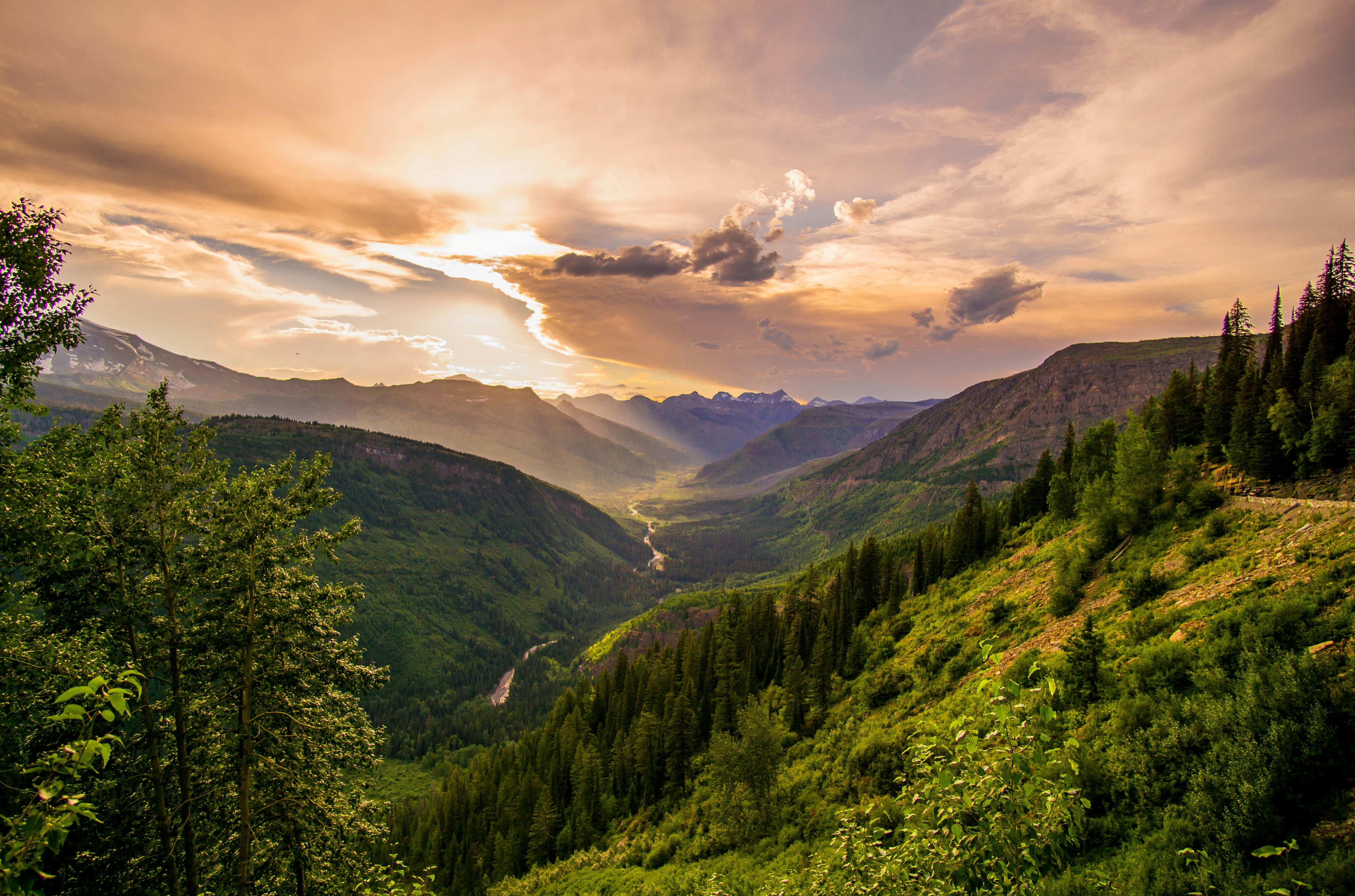 Photo by Tony Reid on Unsplash
Montana's proximity to iconic national parks has led to complex regulatory frameworks designed to balance development with conservation. Local zoning policies in gateway communities like West Yellowstone and Gardiner have evolved to accommodate tourism while preserving the natural character that makes these areas attractive.
Conservation easements have emerged as a critical tool for preserving land adjacent to national parks while affecting property values in various ways. According to research from the University of Montana, conservation easements on properties can influence the market value of adjacent lands, often creating a premium effect for neighboring properties that benefit from guaranteed open space and viewsheds.
These easements, which restrict development rights on a property in perpetuity, serve multiple purposes in Montana:
- Preservation of critical wildlife corridors between protected areas
- Maintenance of agricultural lands that contribute to Montana's economy
- Protection of scenic viewsheds that enhance property values nearby
- Creation of buffer zones around national parks that mitigate development pressure
Recent legislative debates have highlighted the importance of these conservation tools, with efforts to undermine conservation easements being successfully countered by broad coalitions of landowners, conservationists, and economists who recognize their value.
Gateway communities like West Yellowstone, Cooke City, and Gardiner have implemented various approaches to sustainable development that balance economic growth with conservation values:
- Form-based codes that regulate building appearance rather than just use
- Transfer of development rights programs that shift development away from sensitive areas
- Conservation subdivisions that cluster homes to preserve open space
- Mixed-use zoning that reduces sprawl while creating walkable communities
These approaches help maintain property values by preserving the natural amenities that drive the real estate market while allowing for economic development that serves both residents and visitors.
As Montana continues to experience population growth and increased tourism pressure, several policy approaches merit consideration:
1. Regional planning initiatives that coordinate development across jurisdictional boundaries
2. Tax incentives for conservation-minded development near park boundaries
3. Infrastructure investments that direct growth to appropriate areas while protecting sensitive lands
4. Public-private partnerships that leverage conservation funding with economic development
These approaches recognize that the economic value of Montana's natural resources extends beyond extraction to include the premium property values associated with preserved landscapes and recreational access.
The relationship between Montana's national parks and property values reveals a consistent pattern of premium pricing for properties near these natural treasures. Homes within proximity to Yellowstone and Glacier National Parks command significantly higher prices—often 20-40% above similar properties elsewhere in the state. This "national park premium" extends beyond immediate boundaries, with measurable effects up to 50 miles from park entrances.
The data shows that gateway communities like West Yellowstone, Gardiner, and Whitefish have experienced particularly dramatic appreciation, with property values in these areas increasing at nearly double the rate of Montana's overall housing market over the past decade. Seasonal visitation patterns create distinct market dynamics, with properties suitable for vacation rentals commanding additional premiums due to their income-generating potential.
Looking ahead, Montana's real estate market near national parks shows signs of continued strength despite broader market adjustments. As one source notes, "Days on market have begun to increase slightly from the frenzied pace of 2021-2023, suggesting a gradual shift toward more balanced conditions". This cooling represents normalization rather than decline, particularly in park-adjacent communities.
Climate change presents both challenges and opportunities for property values near national parks. While increased wildfire risk may temper growth in some areas, extended tourist seasons due to warmer temperatures could enhance rental income potential. The growing remote work trend continues to drive demand as professionals seek homes combining natural beauty with modern amenities.
Regional forecasts suggest variability across the state, with some areas poised for stronger recovery than others. According to market analysis, "Butte's forecast suggests a slight dip in early 2025, yet it is projected to have the strongest rebound by mid-2025, indicating an upcoming revival". Communities with diversified economies beyond tourism appear better positioned for stable growth.
For potential homebuyers, properties near national parks represent both lifestyle and investment opportunities, though with important considerations:
- Focus on areas with diversified economic bases beyond tourism
- Consider the full cost of ownership, including seasonal maintenance and potential weather-related challenges
- Evaluate zoning regulations and development restrictions that may affect future property use
- Research wildfire history and mitigation efforts in specific communities
Policymakers face the challenge of balancing growth with preservation. Recommendations include:
- Implementing thoughtful zoning that preserves viewsheds and wildlife corridors
- Developing infrastructure that accommodates tourism without compromising resident quality of life
- Creating affordable housing initiatives to ensure economic diversity in gateway communities
- Establishing dedicated funding for conservation from property tax revenues in high-appreciation areas
For conservation interests, the high property values represent both challenges and opportunities:
- Leverage increased property tax revenues to fund conservation efforts
- Partner with developers on conservation-oriented development models
- Create educational programs highlighting how conservation supports property values
- Advocate for transfer fees on luxury properties to fund land preservation
The relationship between Montana's national parks and property values illustrates the economic value of conservation. Rather than viewing development and preservation as opposing forces, the data suggests they can be complementary when managed thoughtfully. The premium that buyers place on proximity to protected lands demonstrates that preservation creates economic value.
Looking forward, Montana's most successful communities will be those that maintain the natural character that drives demand while accommodating thoughtful growth. As one investment analysis concludes, "Bozeman has been a hotspot for real estate investors in Montana due to its rapid growth", yet its continuing appeal depends on preserving the natural amenities and quality of life that attracted residents initially.
The influence of national parks on Montana property values ultimately tells a story about what Americans value: access to natural beauty, outdoor recreation, and preserved landscapes. These values, reflected in market prices, suggest that conservation and economic development can work in harmony when guided by thoughtful planning and respect for the natural world that makes Montana exceptional.
Information provided is deemed reliable but not guaranteed by the Listing Agent(s) or NextHome Northwest Real Estate.

As Director of Social Media, I lead our social media strategy to curate a vibrant online community that celebrates the magic of living in the beautiful Northwest Montana. Follow along for excitin....
Why Winter Preparation is Critical for Montana HomeownersMontana's winter climate presents homeowners with a formidable set of challenges that demand serious preparation. The state experiences some
Understanding Montana's Fall Real Estate MarketMontana's fall real estate market presents unique opportunities that savvy sellers can leverage for a successful home sale. While the market
1333 Creekside Dr., Kalispell, MT 59901 | MLS: 30070749 | $900,000 The Home Tour Reality CheckWalking through potential homes can be exciting—but it can also feel overwhelming, especially
Understanding Buying Power: What It Really MeansBuying power in real estate refers to the maximum home price you can afford based on your income, down payment, and current mortgage rates. It's not
 All information is subject to change, is deemed reliable but is not guaranteed, and should be independently verified.The information being provided is for consumers' personal, non-commercial use and may not be used for any otherpurpose other than to identify prospective properties consumers may be interested in purchasing. Copyright ® 2026, Montana Regional Multiple Listing Service, Inc. (MRMLS) and FBS. All Rights Reserved.
