
Fall: The Flathead Valley's Best-Kept SecretWhile summer draws crowds to the Flathead Valley's pristine lakes and winter transforms the region into a snow-covered wonderland, fall emerges as what

Dated: May 6 2026
Views: 1276
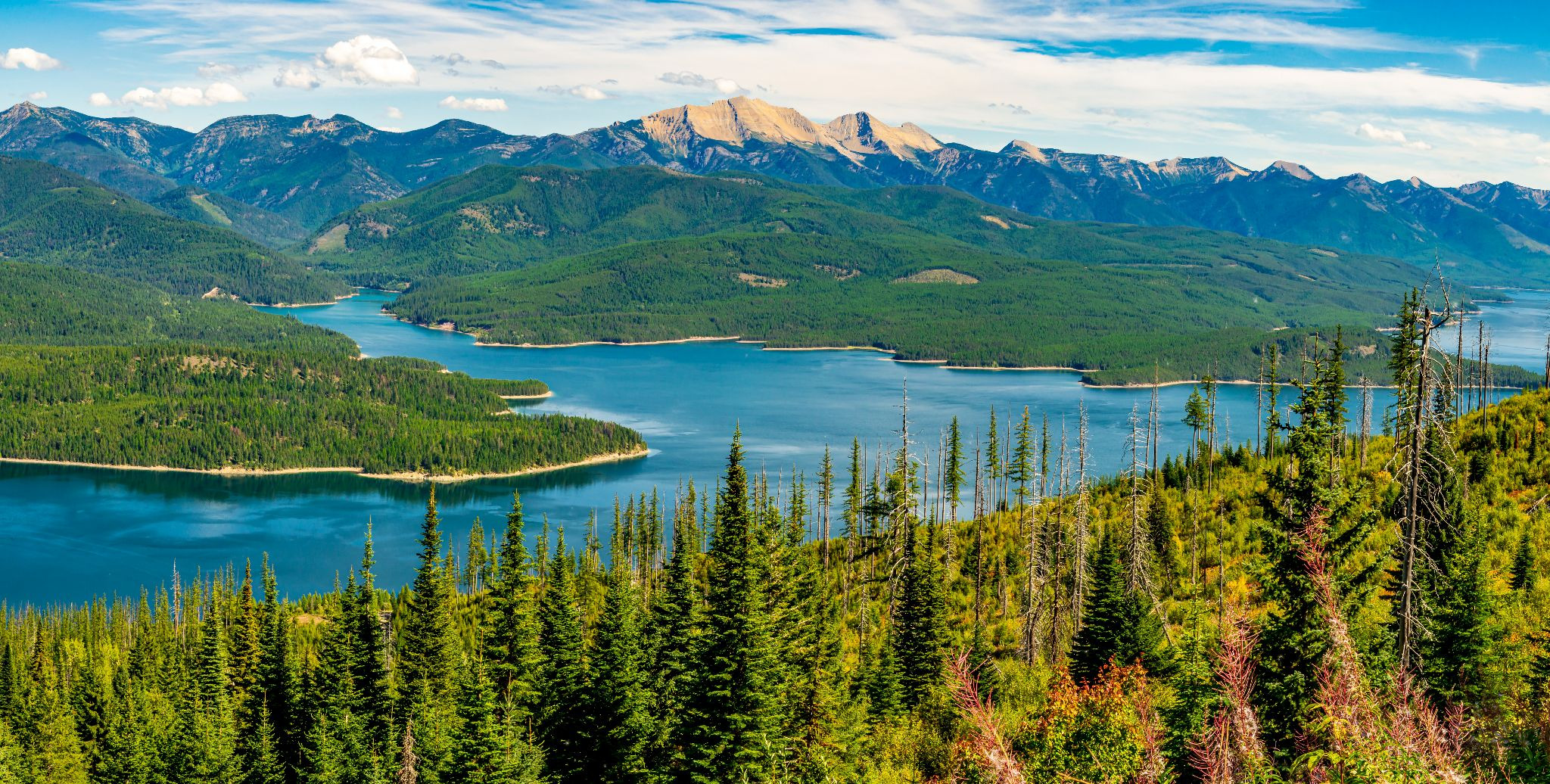
When most people think of Montana's Flathead Valley, their minds immediately conjure images of Whitefish's world-class ski resort, Kalispell's bustling downtown, or Bigfork's artistic charm along the shores of Flathead Lake. These well-established communities have rightfully earned their reputations as premier destinations in the Northern Rockies. However, focusing solely on these marquee locations means missing out on some of the valley's most compelling stories.
The Flathead Valley has experienced remarkable transformation in recent years. Gallatin and Flathead were the fastest growing counties in Montana between 2023 and 2024, with Kalispell itself growing nearly 25% since 2020. This growth has brought increased attention to the region's hidden corners—smaller neighborhoods and communities that offer distinctive character without the crowds or premium price tags of their more famous neighbors.
These lesser-known areas matter for several compelling reasons. For potential residents, they often provide better value, more acreage, and stronger community bonds than you'll find in the tourist-heavy zones. Investors discover opportunities that haven't yet been "discovered" by the broader market, with room for appreciation as the valley continues its expansion. Visitors seeking authentic Montana experiences—the kind you can't find in glossy brochures—will encounter genuine Western hospitality, local traditions, and landscapes that remain refreshingly uncommercialized.
Perhaps most importantly, these hidden gems preserve what many feel is being lost in the valley's more developed areas: a slower pace of life, neighbors who know each other's names, and direct access to Montana's legendary wilderness without fighting for a parking spot. As the Flathead Valley continues evolving, understanding these off-the-radar neighborhoods becomes essential for anyone looking to experience the region's true character before it becomes tomorrow's headline destination.
Nestled just north of Kalispell along Highway 93, Evergreen occupies a prime location that many consider the sweet spot of the Flathead Valley. This unincorporated community sits perfectly positioned between Kalispell and Whitefish, offering residents the best of both worlds—easy access to urban amenities while maintaining a distinctly suburban-rural character that appeals to families and outdoor enthusiasts alike.
The strategic location of Evergreen means you're never far from what matters. Downtown Kalispell's shopping, dining, and services are just minutes to the south, while the charming resort town of Whitefish lies a comfortable 15-minute drive north. Perhaps most appealing to nature lovers, Evergreen serves as an ideal launching point for adventures in Glacier National Park, with the west entrance approximately 45 minutes away. This proximity to world-class recreation without the tourist crowds makes Evergreen particularly attractive to those who want to live the Montana lifestyle year-round.
The neighborhood character of Evergreen reflects its evolution from rural farmland to a thriving residential community. According to Niche, the area offers residents a suburban-rural mix feel, with most residents owning their homes. The landscape features mostly single-detached homes on varying lot sizes, from newer residential developments with modern amenities to established neighborhoods with more spacious properties that harken back to the area's agricultural roots. Quiet streets and a peaceful atmosphere define the community, creating an environment where families can spread out and enjoy Montana's legendary elbow room.
Community infrastructure has grown substantially to support Evergreen's expanding population. Evergreen Junior High serves as both an educational institution and a community hub, anchoring the neighborhood's family-friendly reputation. The commercial corridor along Highway 93 has developed into a practical amenity center, featuring grocery stores, restaurants, coffee shops, and essential services that allow residents to handle daily errands without driving into Kalispell. This blend of residential tranquility and convenient commerce creates a self-sufficient feel that busy families particularly appreciate.
What truly sets Evergreen apart in the current market is its relative affordability compared to pricier alternatives in the valley. While Whitefish commands premium prices for its resort-town cachet and lakefront properties along Flathead Lake continue to escalate beyond reach for many buyers, Evergreen's median listing price stands at $525K, offering a more accessible entry point into Flathead Valley living. This pricing structure has made Evergreen increasingly popular with families, remote workers, and retirees who want proximity to recreation and culture without the sticker shock of more established resort communities.
The appeal to outdoor enthusiasts cannot be overstated. Evergreen residents enjoy immediate access to hiking, mountain biking, and cross-country skiing trails in the surrounding foothills. Whitefish Mountain Resort is close enough for spontaneous powder days, while the Flathead River system offers world-class fishing and floating opportunities. The community attracts people who don't just visit Montana for vacation—they want to live where every day feels like one. This outdoor-oriented lifestyle, combined with good schools and a genuine sense of community, explains why Evergreen has transformed from a quiet roadside settlement into one of the Flathead Valley's most desirable residential areas.
Nestled just 18 miles from Glacier National Park's west entrance, Columbia Falls stands as one of the Flathead Valley's most underappreciated communities. With a population hovering around 5,000 residents, this charming town offers an authentic Montana experience that larger valley destinations sometimes lack. Unlike its more tourist-centric neighbors, Columbia Falls maintains a genuine small-town atmosphere while providing convenient access to world-class outdoor recreation.
The historic downtown core reflects Columbia Falls' rich timber industry heritage, with locally-owned shops, cafes, and businesses lining Nucleus Avenue. This thriving small business community creates a neighborly feel where residents know their shopkeepers by name and community events bring everyone together. The town's calendar fills with authentic local gatherings—from summer farmers markets to seasonal celebrations—that showcase the tight-knit community spirit often missing in more developed areas.
What truly sets Columbia Falls apart is its strategic location. Positioned at the literal gateway to Glacier National Park, residents enjoy unparalleled access to hiking, wildlife viewing, and alpine adventures without the crowds and premium prices of Whitefish. The nearby Columbia Falls Aquatic Center, miles of nearby trails, and proximity to the Flathead River provide year-round recreational opportunities that rival any valley location.
Housing affordability remains one of Columbia Falls' most compelling advantages. The median home sale price in the area sits around $530,000, notably more accessible than Whitefish or Bigfork, though the market has experienced growth as more people discover this hidden gem. The housing stock ranges from cozy single-family homes to spacious properties with mountain backdrops, offering options for various budgets and lifestyles.
The local scene includes several excellent breweries and restaurants that capture Montana's craft culture without the tourist markup. Establishments like Backslope Brewing and Sacred Waters Brewing Company serve as community gathering spots where locals unwind after work and visitors get a taste of genuine valley life. These businesses, along with family-owned restaurants and shops, contribute to an economy built on authenticity rather than seasonal tourism.
For those seeking the perfect balance between small-town living and access to major attractions, Columbia Falls delivers. You'll experience the genuine Montana lifestyle—complete with friendly neighbors, community involvement, and wide-open spaces—while remaining minutes from Glacier National Park, a half-hour from Whitefish's amenities, and an hour from Kalispell's services. It's this unique positioning that makes Columbia Falls one of the Flathead Valley's best-kept secrets.
Tucked along the western shoreline of Flathead Lake, the twin communities of Somers and Lakeside offer a refreshing alternative to the busier lakefront towns. These quiet neighborhoods provide the coveted waterfront access and stunning lake views that draw people to Montana, but without the tourist congestion that can overwhelm larger destinations during peak season.
The character of these communities is distinctly residential and laid-back. Between Somers and Lakeside, you'll find sweet cherry orchards dotted between lakefront homes and condominiums, creating a rural-meets-waterfront atmosphere that feels worlds away from urban life. Locals know their neighbors, and the pace of life revolves around the lake's rhythms—fishing in the morning, cherry picking in summer, and gathering at community events throughout the year.
Both communities provide excellent lake access through public boat launches and parks. Somers features a well-maintained public boat launch that's significantly less crowded than those in Polson or Bigfork, making it easier to get on the water during busy summer weekends. Lakeside offers similar amenities, with the added benefit of Blacktail Mountain Ski Area just minutes away, providing year-round recreational opportunities that extend beyond the lake itself.
The residential options span a broad spectrum. You'll find everything from modest lakefront cottages and condominiums to premium properties with private shoreline, docks, and panoramic lake views—some of the most desirable real estate in the Flathead Valley. The diversity of housing stock means there are entry points for various budgets, though waterfront properties command premium prices as they do throughout the region.
Property values in Somers and Lakeside typically offer better value compared to Bigfork, where you're paying partly for the downtown village atmosphere and restaurant scene. Here, you're investing primarily in the waterfront lifestyle itself—the ability to kayak from your backyard, watch sunsets over the Mission Mountains, and enjoy a sense of privacy that's increasingly rare on Flathead Lake.
The lifestyle benefits are considerable for those seeking peaceful lake living. The absence of heavy tourist traffic means you can actually enjoy summer without fighting crowds. Local marinas provide boat slips and services without the waitlists common in larger towns. The communities support small businesses—a general store, a café, local guides—that cater to residents rather than tourists, fostering genuine community connections.
Seasonal attractions center around the lake and surrounding nature. Summer brings cherry harvest season, when roadside stands sell fresh fruit and locals gather for informal celebrations. Fall offers spectacular foliage viewing along the shoreline, with far fewer leaf-peepers than you'd encounter in more publicized areas. Winter transforms the area into a quiet retreat, with Blacktail Mountain offering affordable skiing and the frozen lake providing opportunities for ice fishing and skating in protected bays.
For those considering a move to the Flathead Valley, Somers and Lakeside represent an often-overlooked sweet spot: authentic Montana lake living with strong community ties, excellent recreational access, and a peaceful atmosphere that lets you actually hear the water lapping against the shore.
Northwest of Kalispell, the twin communities of Kila and Marion represent the Flathead Valley's agricultural heritage while accommodating modern Montana living. These unincorporated areas attract those seeking substantial acreage, privacy, and a lifestyle that balances rural independence with reasonable access to valley amenities.
The Appeal of Space and Agricultural Character
Kila and Marion are known for larger parcels of land, hobby farms, and residential propertiesthat provide room for animals, workshops, and outdoor recreation. Unlike the more densely developed areas closer to Kalispell, these communities maintain an open, agricultural character where neighbors measure distances in acres rather than feet. Properties here typically range from 5 to 40+ acres, with some larger ranch parcels exceeding 500 acres for serious agricultural operations.
The landscape consists of gently rolling terrain interspersed with timbered parcels, offering spectacular views of the Swan and Mission mountain ranges. This topography provides both functional agricultural land and aesthetic value—a combination increasingly rare in rapidly developing areas of the valley. Many properties feature a mix of open pasture and forest, ideal for those wanting to manage timber, graze livestock, or simply enjoy diverse habitats on their land.
Property Types and Investment Considerations
The real estate market in Kila and Marion caters primarily to those seeking rural homesteads rather than suburban convenience. You'll find everything from modest homes on 10-acre parcels to substantial ranch properties with multiple outbuildings, irrigation systems, and established pastures. Many properties include barns, shops, and equipment storage—infrastructure that would be cost-prohibitive to build from scratch.
Raw land opportunities also abound for those wanting to build their dream property from the ground up. Timbered parcels offer privacy and potential timber value, while open land provides immediate usability for agricultural purposes. The area's zoning generally favors agricultural and low-density residential use, meaning you can typically keep horses, cattle, chickens, and other livestock without the restrictions common in more developed areas.
Zoning and Land Use Flexibility
Flathead County's rural zoning in these areas typically allows for agricultural activities, home-based businesses, and accessory structures that support a working property lifestyle. This flexibility appeals to hobby farmers, professional ranchers, and those running businesses from their property. However, prospective buyers should research specific parcels carefully, as some properties may have conservation easements, subdivision restrictions, or other encumbrances that affect future development potential.
The agricultural zoning also means fewer restrictions on outbuildings, allowing property owners to construct workshops, barns, and storage facilities that support their lifestyle or business activities. This freedom attracts craftspeople, artists, and entrepreneurs who need substantial workspace alongside their residence.
Community Characteristics and Lifestyle
Despite their rural nature, Kila and Marion maintain distinct community identities. The Kila School serves as a community hub, and both areas feature small local businesses catering to agricultural needs. The communities attract a mix of multi-generational farming families, newcomers seeking the Montana lifestyle, and retirees wanting space and tranquility.
The social fabric here tends toward self-reliance and neighborly cooperation—traits essential in rural living where the nearest services may be 15-20 minutes away. Community events, volunteer fire departments, and informal networks create bonds that urban dwellers might find surprisingly strong for such dispersed populations.
Access to Valley Amenities
One of Kila and Marion's key advantages is their location—rural enough for privacy and space, yet close enough to Kalispell for practical access to shopping, healthcare, and services. The drive to Kalispell typically takes 20-30 minutes, a reasonable commute for those who work in town or need regular access to urban amenities. Whitefish, with its resort amenities and cultural offerings, sits about 30-40 minutes away.
This proximity means residents can enjoy rural living without complete isolation. You can keep horses in your pasture and still grab groceries, visit the doctor, or catch a movie without an expedition-level commitment.
Internet Connectivity and Remote Work Viability
Historically, rural areas like Kila and Marion faced significant challenges with internet connectivity, potentially limiting remote work opportunities. However, the landscape has improved considerably in recent years. Many properties now have access to fiber optic internet through local providers, while others rely on improved DSL service or fixed wireless options.
Starlink satellite internet has been a game-changer for properties where traditional options remain limited. This technology provides high-speed internet to even the most remote parcels, making professional remote work genuinely viable. Many new residents specifically cite improved internet access as enabling their move from urban areas while maintaining their careers.
Prospective buyers should verify internet availability for specific properties, as service quality can vary significantly even between neighboring parcels. This due diligence is essential for anyone whose livelihood depends on reliable connectivity.
Practical Considerations for Rural Living
Living in Kila or Marion requires comfort with certain rural realities. Many properties rely on well water and septic systems rather than municipal services. Road maintenance may fall to homeowners' associations or individual property owners, particularly for private drives. Winter means plowing your own driveway or arranging for snow removal services.
These communities also require greater self-sufficiency regarding home maintenance, property management, and emergency preparedness. The volunteer fire department provides excellent service, but response times naturally exceed those in urban areas. Similarly, law enforcement coverage is more dispersed, making good relationships with neighbors and basic security measures important.
The Investment Perspective
From a real estate investment standpoint, Kila and Marion offer relative value compared to more developed areas of the Flathead Valley. While prices have increased with the broader Montana real estate boom, acreage here still costs considerably less per acre than comparable properties closer to Whitefish or Bigfork.
The agricultural character and zoning provide some protection against rapid subdivision and development, potentially preserving the rural lifestyle that attracts buyers in the first place. However, this same protection means properties may appreciate more slowly than those in high-growth areas—a trade-off that appeals to lifestyle buyers rather than speculators.
Who Thrives Here
Kila and Marion suit those who prioritize space, privacy, and connection to the land over walkability and urban convenience. Successful residents typically embrace outdoor recreation, appreciate the rhythms of agricultural life, and value independence. The communities attract families wanting children to experience rural living, retirees seeking peaceful surroundings, and working-age professionals whose careers allow remote work.
These aren't bedroom communities for people who simply need a place to sleep between urban activities. Rather, they're destinations for those whose ideal lifestyle centers on their property and the natural environment, with town serving as a resource rather than the focus of daily life.
Tucked into the southeastern corner of the Flathead Valley, Creston remains one of the region's best-kept secrets—a farming community where cherry orchards still dominate the landscape and neighbors still know each other by name. This unincorporated area southeast of Kalispell sprawls across remarkably flat agricultural land, a geographic anomaly in a valley otherwise defined by mountain ridges and rolling hills. That flatness has made Creston ideal for farming since the early 1900s, and today the community continues to balance its agricultural roots with an influx of newcomers seeking authenticity and affordability.
The cherry orchards define Creston's identity. Drive along any backroad during late summer, and you'll pass row after row of gnarled cherry trees heavy with fruit, many belonging to families who have worked the same land for generations. Flathead Lake Cherry Growers, a cooperative established in 1935, has helped sustain these small operations, providing marketing and distribution support that allows family orchards to compete in a challenging market. While the Flathead Valley produces only a fraction of the nation's cherry harvest, the quality and flavor of these locally-grown cherries have earned a devoted following.
What makes Creston particularly appealing to younger families and remote workers is the combination of land availability and relative affordability. While waterfront properties around Flathead Lake command premium prices, Creston offers larger lots and acreage at prices that allow newcomers to establish roots without stretching budgets to the breaking point. The community has seen a quiet transformation over the past decade as tech workers, artists, and entrepreneurs have discovered they can own a few acres, perhaps plant their own small orchard, and still commute to Kalispell in under fifteen minutes.
This evolution hasn't erased Creston's agricultural character—it has enhanced it. New residents often embrace the farming lifestyle, attending workshops on fruit tree cultivation, raising backyard chickens, or establishing vegetable gardens that supply their tables year-round. The blending of old-timers and newcomers has created an unexpected synergy, with established farmers sharing knowledge and new arrivals bringing fresh energy to community events.
The Hockaday Museum of Art in Kalispell maintains a special connection to Creston through its focus on Montana artists and regional history. Many local artists draw inspiration from Creston's pastoral landscapes, and the museum frequently features works depicting the area's orchards and agricultural scenes. This cultural connection reinforces Creston's identity as more than just farmland—it's a landscape worth preserving and celebrating.
Community gatherings anchor social life here. The Creston Community Hall hosts potlucks, fundraisers, and seasonal celebrations that draw multi-generational crowds. During cherry harvest season, roadside stands pop up along Highway 35, where families sell their fruit directly to customers who return year after year, often driving from Kalispell or Whitefish specifically to buy from their favorite grower. These informal transactions represent more than commerce—they're social rituals that reinforce community bonds.
New residential development is appearing, but it tends to respect Creston's character. Rather than dense subdivisions, most new construction consists of custom homes on larger lots, often designed to complement the rural aesthetic. Many new homeowners specifically choose Creston because they want space for horses, gardens, or small hobby farms—pursuits that align with the area's agricultural heritage rather than challenging it.
The lack of commercial development means Creston residents still drive to Kalispell for groceries and services, but most consider this a fair trade for the peace and space they've gained. The community's proximity to both Kalispell and the eastern shore of Flathead Lake provides access to amenities and recreation while maintaining a distinctly rural lifestyle. It's this balance—farmland and fruit trees, established families and new arrivals, agricultural tradition and modern flexibility—that makes Creston one of the Flathead Valley's most compelling hidden gems for those willing to embrace a quieter pace of life.
Nestled along Highway 2 east of Columbia Falls, the neighboring communities of Coram and Hungry Horse represent some of the Flathead Valley's most accessible entry points to genuine mountain living. These unincorporated communities offer a compelling combination of affordability and proximity to Glacier National Park's west entrance, making them increasingly attractive to outdoor enthusiasts and those seeking a wilderness-adjacent lifestyle without the premium price tags of more established resort towns.
The defining characteristic of these communities is their immediate access to outdoor recreation. Outdoor opportunities are endless across all three communities, including rafting and fishing on the Flathead River, boating on Hungry Horse Reservoir, and extensive hiking and biking options. The Hungry Horse Reservoir itself serves as a recreational centerpiece, offering world-class fishing for kokanee salmon and lake trout, along with numerous boat launches and campgrounds that draw visitors throughout the summer months.
What distinguishes Coram and Hungry Horse from pricier valley locations is the authentic, working-class mountain community character. These aren't polished resort towns—they're genuine communities where locals work in hospitality, forestry, construction, and seasonal tourism. The housing stock reflects this practical orientation, with more modest homes, cabins, and properties that prioritize function over luxury. This translates to real estate values that remain significantly below those in Whitefish or Bigfork, making homeownership accessible to young families, service industry workers, and retirees on fixed incomes.
The proximity to Glacier National Park—just minutes from the west entrance—cannot be overstated as a lifestyle advantage. Residents can access world-renowned hiking trails, wildlife viewing, and alpine scenery as part of their daily routine rather than as occasional weekend excursions. This immediate connection to wilderness areas creates a quality of life that appeals particularly to outdoor professionals, guides, photographers, and those whose recreational pursuits define their lifestyle choices.
However, prospective residents should carefully consider the seasonal realities of living in these gateway communities. Winter brings significant snowfall and the need for serious snow removal equipment and preparations. Highway 2 remains open year-round, but residents must be prepared for winter driving conditions and potential isolation during major storm events. Additionally, the economy is heavily tourism-dependent, meaning employment opportunities fluctuate dramatically between summer and winter seasons.
Community amenities in Coram and Hungry Horse are functional rather than extensive. Residents will find essential services including small grocery stores, gas stations, and a few local restaurants, but for comprehensive shopping, medical care, and broader services, trips to Columbia Falls or Kalispell become necessary. The Hungry Horse News serves as the local newspaper, maintaining community connections and information flow. Schools are accessed through the Columbia Falls school district, requiring bus transportation for most families.
The appeal of these communities ultimately centers on priorities: if your vision of mountain living emphasizes authentic wilderness access, outdoor recreation as a daily practice, and a no-frills community of like-minded adventurers over resort amenities and urban conveniences, Coram and Hungry Horse deliver exceptional value. They represent the Flathead Valley's accessible frontier—places where the mountains aren't just a backdrop but an integral part of everyday existence.
The Flathead Valley's lesser-known neighborhoods each offer distinct advantages, making the selection process deeply personal and dependent on individual priorities. Understanding these nuances helps prospective residents identify which hidden gem aligns best with their lifestyle, budget, and long-term goals.
For Budget-Conscious Buyers and First-Time Homeowners
Columbia Falls and Evergreen stand out as the most financially accessible options without sacrificing quality of life. Columbia Falls combines affordability with proximity to employment centers, making it ideal for young professionals and first-time buyers who need reasonable commutes. The town's growing infrastructure supports families seeking good schools and community amenities at prices significantly below Whitefish or Bigfork. Evergreen offers even greater value for those willing to embrace a more rural setting, with larger lots and lower property taxes appealing to budget-minded buyers who prioritize space over urban conveniences.
For Families Seeking Community and Schools
Families should weigh the trade-offs between established communities and newer developments. Columbia Falls provides a traditional small-town atmosphere with longstanding community events, local sports programs, and a tight-knit feel that helps children build lasting friendships. The Somers-Lakeside corridor offers a different family dynamic—waterfront recreation becomes part of daily life, with sailing lessons, beach days, and fishing replacing traditional suburban activities. Both areas feature lower traffic and crime rates compared to larger valley towns, though Columbia Falls offers more developed youth programs and extracurricular options.
For Remote Workers and Digital Nomads
The pandemic has transformed Montana's appeal for remote professionals, and several hidden gems cater specifically to this demographic. Bigfork's artistic community attracts creative professionals seeking inspiration alongside reliable internet connectivity, while its proximity to Kalispell (just 15 minutes) provides access to coworking spaces and business services. Somers offers the ultimate work-from-home environment for those who thrive near water, with stunning Flathead Lake views providing natural stress relief between video calls. However, remote workers should consider that some areas have higher costs of living relative to median incomes, making financial planning essential even with out-of-state salaries.
For Outdoor Enthusiasts and Adventure Seekers
Different neighborhoods provide distinct outdoor access points. Columbia Falls delivers unmatched proximity to Glacier National Park—residents can reach trailheads in under 30 minutes, making spontaneous evening hikes or early morning wildlife photography sessions feasible. The Blacktail Mountain area surrounding Lakeside caters to skiers and mountain bikers who want immediate access to trails and slopes without tourist crowds. Marion offers the most secluded wilderness experience, with vast tracts of national forest adjacent to residential areas, perfect for hunters, backcountry skiers, and those seeking true solitude. Each location requires honest assessment of how frequently you'll actually use outdoor amenities versus simply enjoying their proximity.
For Retirees and Empty Nesters
Retirement priorities often center on healthcare access, low maintenance living, and community engagement. Bigfork excels in this category, offering cultural amenities, walkability, and a vibrant social scene through its theater, galleries, and restaurants. The town's compact nature means retirees can age in place without depending on driving, while proximity to Kalispell ensures access to medical facilities. Lakeside provides a more relaxed retirement option for those prioritizing recreation over cultural activities, with golf courses, marinas, and fishing access supporting an active lifestyle. Both communities have established retiree populations, making social integration easier than in family-dominated neighborhoods.
For Privacy Seekers and Off-Grid Enthusiasts
Marion and the Woods Bay area near Bigfork represent opposite ends of the privacy spectrum. Marion attracts those seeking genuine isolation—properties on large acreages with minimal neighbors and limited services appeal to self-sufficient individuals comfortable with longer drives for groceries and amenities. Woods Bay offers privacy with more infrastructure, providing secluded lakefront or forested properties while maintaining reasonable access to Bigfork's services. Both areas require consideration of winter access, septic systems, well water, and the realities of rural living that extend beyond romantic notions of mountain life.
Practical Decision-Making Factors
Beyond lifestyle preferences, several practical considerations should guide neighborhood selection. Commute tolerance matters significantly—while Columbia Falls offers shorter drives to employment centers, choosing Bigfork or Marion means accepting 30-45 minute commutes to Kalispell or Whitefish. Winter driving conditions vary dramatically; south-facing properties near Lakeside may have easier snow management than north-facing lots in Marion's higher elevations. Property maintenance requirements escalate with acreage and remoteness—a quarter-acre lot in Columbia Falls demands far less upkeep than ten acres in Marion.
Community character also evolves differently across these neighborhoods. Columbia Falls is experiencing rapid growth that's transforming its small-town feel, while Marion remains relatively static. Prospective residents should visit multiple times across seasons, attend local events, and honestly assess whether they'll actively participate in community life or prefer anonymity. The "hidden gem" that perfectly suits one person may feel isolating or overly rustic to another.
Ultimately, the best neighborhood emerges from aligning personal values with practical realities. First-time buyers might prioritize affordability in Columbia Falls or Evergreen, accepting trade-offs in privacy or lake access. Established professionals might invest in Bigfork's premium pricing for cultural amenities and property appreciation potential. Outdoor purists might sacrifice convenience for Marion's wilderness access. The Flathead Valley's diversity ensures that almost any lifestyle finds its match—the key lies in honest self-assessment and thorough research before committing to your hidden gem.
Discovering a hidden gem neighborhood is one thing—determining if it's the right fit for you requires thoughtful investigation and planning. Whether you're considering a permanent move or searching for a vacation property, these actionable steps will help you make an informed decision about life in the Flathead Valley's lesser-known communities.
The Flathead Valley transforms dramatically throughout the year, and each hidden gem neighborhood offers distinct seasonal experiences. Plan multiple visits across different seasons to understand what year-round life truly looks like. Winter visits reveal snow accumulation patterns, road maintenance quality, and how accessible your potential neighborhood remains during Montana's coldest months. Spring showcases mud season realities and wildlife activity, while summer and fall display the region at its most vibrant. Pay attention to tourist traffic patterns, as some areas experience significant seasonal population swings that affect everything from grocery store lines to restaurant availability.
Working with real estate professionals who specialize in specific Flathead Valley neighborhoods provides invaluable insider knowledge. Seek out agents who live in or have extensive experience with the particular communities you're considering. These specialists understand micro-market trends, upcoming development plans, neighborhood dynamics, and property value trajectories that broader market agents might miss. They can introduce you to the subtle differences between similar-seeming areas and help you identify properties that align with your lifestyle priorities, whether that's acreage for horses, walkability to amenities, or proximity to specific recreational opportunities.
Montana's property tax structure directly impacts your long-term housing costs and varies by location within the Flathead Valley. Property taxes in Montana fund cities, counties, and school districts, with mill levies based on your specific city, fire, and school district budgets. Research the tax rates for your target neighborhoods, as they can differ significantly based on which municipal services and school districts serve the area. Property taxes are generally due in November and May, and recent legislative changes have introduced different treatment for primary residences versus second homes, which could substantially affect your tax burden depending on how you plan to use the property. Request recent tax statements for properties you're seriously considering to understand the complete financial picture.
Montana distances can be deceiving, and what looks close on a map may involve challenging winter driving conditions or seasonal traffic congestion. Test drive your potential commute during different times of day and, if possible, during winter conditions. Consider not just the distance to Kalispell or Whitefish, but also to essential services like hospitals, grocery stores, and airports. Some hidden gem neighborhoods offer tranquil isolation but require 30-45 minute drives for basic errands. Assess whether you're comfortable with this trade-off, and factor in vehicle wear, fuel costs, and the reality of making these trips year-round. Also investigate public transportation options, which are limited in rural areas but exist along certain corridors.
For families with children, school district quality and characteristics should heavily influence your neighborhood choice. The Flathead Valley includes multiple school districts with varying sizes, philosophies, and performance metrics. Some hidden gem neighborhoods fall within smaller, tight-knit school districts that offer personalized attention but fewer extracurricular options, while others feed into larger systems with more comprehensive programs. Visit schools in person, meet with administrators, and talk to current parents about their experiences. Consider not just academic performance but also school culture, class sizes, special education services, sports and arts programs, and the overall educational philosophy. Remember that school district boundaries don't always align with neighborhood boundaries, so verify exactly which schools serve specific addresses.
Each community in the Flathead Valley operates under different zoning regulations, covenants, and land use restrictions that affect what you can do with your property. Before committing to a neighborhood, research regulations regarding outbuildings, home businesses, short-term rentals, livestock, fencing, and property modifications. Some areas have homeowners associations with strict architectural guidelines, while others offer nearly complete freedom. Investigate water rights, septic system requirements, and building permit processes, which can vary significantly between incorporated towns and unincorporated county areas. Understanding these regulations upfront prevents costly surprises and ensures your lifestyle plans align with local rules.
Beyond physical attributes, each hidden gem neighborhood has its own social character and community culture. Spend time in local gathering spots—coffee shops, community centers, farmers markets, and restaurants—to get a feel for the people and pace of life. Some communities skew toward younger families, others toward retirees; some embrace newcomers enthusiastically, while others take time to warm up to new residents. Consider whether the neighborhood's political leanings, recreational focus, and social dynamics align with your values and interests. Talk to residents candidly about their experiences, what they love about living there, and what challenges they face.
Participating in neighborhood events before you move provides authentic insight into community life and helps you start building connections. Check community calendars for farmers markets, holiday celebrations, volunteer opportunities, town hall meetings, and recreational group activities. These events reveal how engaged and connected residents are, what causes and activities they prioritize, and whether the community's energy matches your expectations. Many Flathead Valley neighborhoods host summer concerts, winter festivals, or seasonal fundraisers that welcome visitors and potential new residents.
Beyond personal visits and realtor consultations, tap into various resources for comprehensive neighborhood research. The Flathead County website provides property tax information, zoning maps, and planning documents. Local Facebook groups and online forums offer unfiltered resident perspectives on everything from wildlife encounters to snow removal. The Flathead Beacon and Daily Interlake archives contain years of local news that illuminate neighborhood issues, development controversies, and community achievements. Montana's Department of Natural Resources and Conservation provides water availability data, while the Montana Department of Transportation offers road condition information and maintenance schedules. County health department records detail well water quality and septic system requirements for specific areas.
Taking time for thorough research and multiple visits may extend your search process, but this investment pays dividends in finding a Flathead Valley hidden gem that truly fits your lifestyle, budget, and long-term goals. The right neighborhood becomes more than just a place to live—it becomes the foundation for your Montana life story.
Information provided is deemed reliable but not guaranteed by the Listing Agent(s) or
NextHome Northwest Real Estate.
Fall: The Flathead Valley's Best-Kept SecretWhile summer draws crowds to the Flathead Valley's pristine lakes and winter transforms the region into a snow-covered wonderland, fall emerges as what
Why Winter Preparation is Critical for Montana HomeownersMontana's winter climate presents homeowners with a formidable set of challenges that demand serious preparation. The state experiences some
Understanding Montana's Fall Real Estate MarketMontana's fall real estate market presents unique opportunities that savvy sellers can leverage for a successful home sale. While the market
1333 Creekside Dr., Kalispell, MT 59901 | MLS: 30070749 | $900,000 The Home Tour Reality CheckWalking through potential homes can be exciting—but it can also feel overwhelming, especially
 All information is subject to change, is deemed reliable but is not guaranteed, and should be independently verified.The information being provided is for consumers' personal, non-commercial use and may not be used for any otherpurpose other than to identify prospective properties consumers may be interested in purchasing. Copyright ® 2026, Montana Regional Multiple Listing Service, Inc. (MRMLS) and FBS. All Rights Reserved.
