Why Fall Preparation is Critical in MontanaMontana's climate presents unique challenges that demand proactive preparation. Unlike many states where autumn provides a gradual transition, Montana's

Dated: September 23 2026
Views: 13
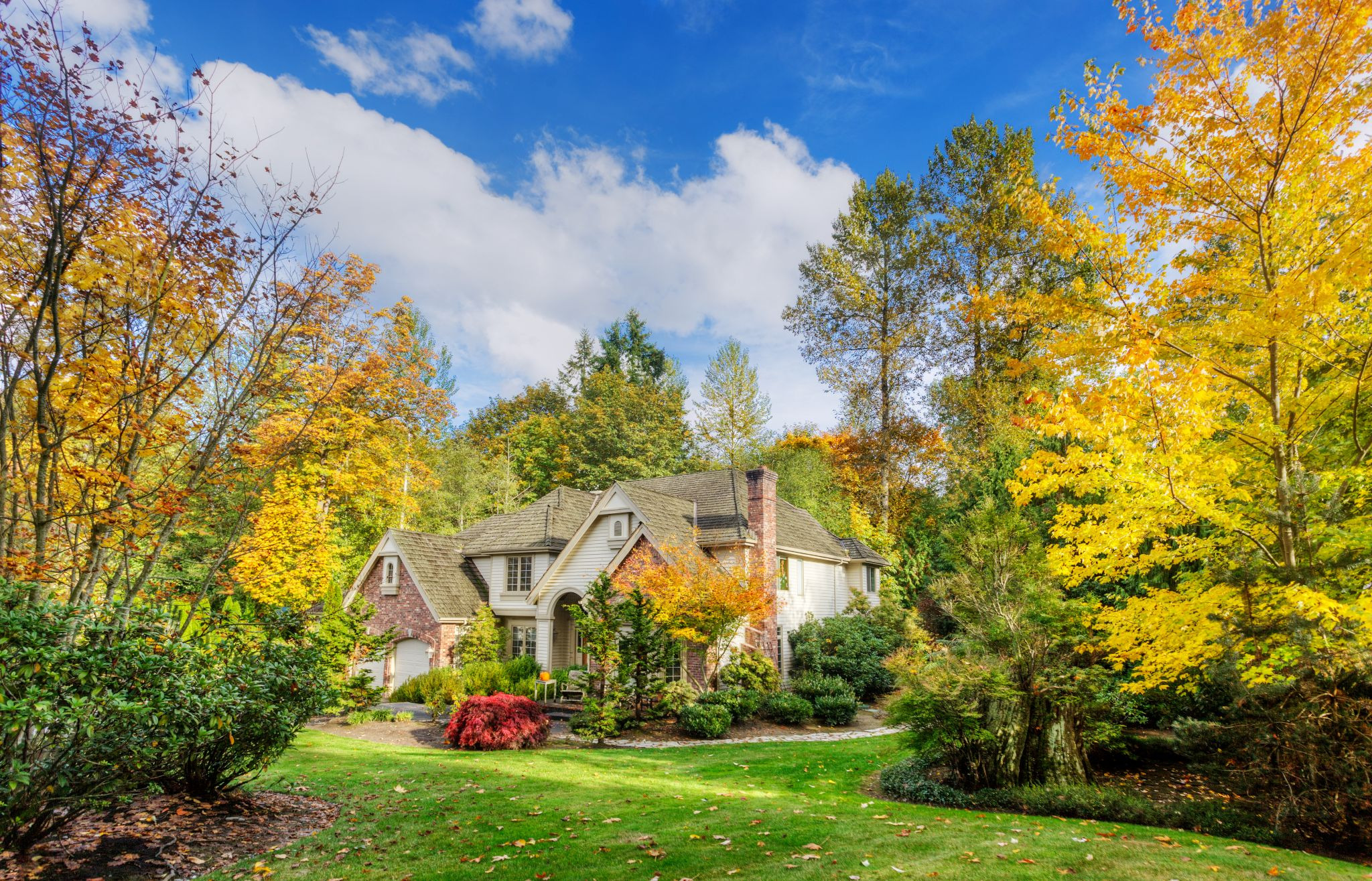
Montana's climate presents unique challenges that demand proactive preparation. Unlike many states where autumn provides a gradual transition, Montana's shift from fall to winter can be abrupt and unforgiving. Understanding these challenges is essential for protecting your home and your wallet.
Montana experiences some of the most dramatic temperature swings in the continental United States. Average January temperatures across the state range from below 12°F in the northeast to above 25°F in some south-central and western valleys, but these averages don't tell the whole story. Residents should prepare for extended periods of subzero temperatures—not just below freezing, but genuinely below zero Fahrenheit—that can persist from mid-November through the end of March.
The first snowfall arrives earlier than many newcomers expect. Higher mountain elevations typically see their first snow in September, with occasional early-season storms reaching lower elevations as well. This compressed timeline between comfortable fall weather and harsh winter conditions leaves homeowners with a narrow window to complete essential preparations.
Failing to properly prepare your Montana home for winter can result in expensive and dangerous consequences:
Frozen and burst pipes represent one of the most common and costly winter disasters. When temperatures plummet, inadequately insulated pipes can freeze, expand, and rupture, causing thousands of dollars in water damage and requiring emergency repairs during the coldest months.
Skyrocketing heating bills plague unprepared homes. Poor insulation, drafty windows, and inefficient heating systems force your furnace to work overtime, dramatically increasing energy consumption. In Montana's extended winter season, these inefficiencies compound month after month.
Structural damage from ice dams, snow accumulation, and freeze-thaw cycles can compromise your roof, gutters, and foundation. What starts as a minor issue in November can evolve into a major structural problem by March.
Safety hazards multiply when homes aren't winter-ready. Inadequate heating can lead to dangerous situations, while poor exterior maintenance creates slip-and-fall risks and limits emergency access to your property.
Montana's vast geography creates significant regional climate differences that affect preparation strategies:
Eastern Montana and the High Plains experience the coldest temperatures and most severe wind chill. The northeast sees the harshest conditions, requiring extra attention to windproofing and insulation.
Western Montana valleys, including areas like Missoula and the Bitterroot Valley, enjoy relatively milder winters with temperature ranges typically from the teens to the 30s and 40s, though they still receive substantial snowfall and require thorough preparation.
Mountain communities face the earliest and heaviest snowfall, demanding robust roof reinforcement and snow removal plans.
South-central regions benefit from slightly warmer average temperatures but still endure genuine winter conditions requiring comprehensive home preparation.
Understanding your specific region's climate patterns allows you to prioritize the most critical preparations for your location. Regardless of where you live in Montana, the brief transition period between fall and winter means that preparation tasks completed in September and October can prevent crisis situations in January and February.
Montana winters are unforgiving, with temperatures regularly plunging below zero and heating systems working overtime for months on end. Ensuring your heating system is in peak condition before the first hard freeze isn't just about comfort—it's about safety and avoiding costly emergency repairs when you need heat most.
Before winter arrives in earnest, schedule a professional HVAC inspection. A qualified technician will check critical components including electrical connections, gas lines, heat exchangers, and burner assemblies. They'll test for carbon monoxide leaks—a potentially deadly issue that becomes more common when furnaces run continuously during Montana's coldest months. Professional maintenance can identify problems before they become emergencies, potentially saving you from a furnace failure during a subzero night.
Air filters are your heating system's first line of defense against dust, pet dander, and debris. During Montana's heavy winter heating season, check your filter every 30 days and replace it every 60 to 90 days at minimum. Homes with pets, smokers, or located near agricultural areas may need even more frequent changes. A clogged filter forces your furnace to work harder, increasing energy costs and potentially shortening the system's lifespan. Mark your calendar for monthly filter checks throughout the winter.
For many Montana homeowners, wood stoves and fireplaces serve as both primary and backup heat sources. Before the first fire of the season, have your chimney professionally inspected and cleaned. Creosote buildup—a natural byproduct of burning wood—is highly flammable and causes thousands of chimney fires annually. Check the firebox for cracks, ensure the damper operates smoothly, and verify that your carbon monoxide detectors are functioning. If you have a wood stove, inspect the door gaskets and replace them if they're compressed or damaged.
Test all thermostats to ensure they're reading temperatures accurately and communicating properly with your heating system. Consider upgrading to a programmable or smart thermostat if you haven't already. These devices can reduce heating costs by 10-15% by automatically lowering temperatures when you're asleep or away. For Montana's extreme temperature swings, look for models that can handle wide temperature ranges and won't freeze if power is temporarily lost.
Don't wait until the first blizzard to think about fuel. If you heat with propane, schedule a tank fill before prices typically rise in late fall. Propane delivery can be delayed during severe weather or high-demand periods, so maintaining at least a 30% tank level throughout winter is wise. For wood heat, you should have your entire winter's supply split, stacked, and covered by early October. Properly seasoned firewood (dried for at least six months) burns more efficiently and produces less creosote. Calculate roughly one cord of wood per month for a primary heat source, more if you're heating a larger home or facing a particularly harsh winter.
If your home has hot water radiators or baseboard heating, bleed the radiators to remove trapped air that reduces heating efficiency. You'll hear a hissing sound as air escapes, followed by a steady stream of water—that's when you know the radiator is properly bled. Check all radiators in your home, as air can accumulate unevenly. Also ensure furniture, curtains, or storage items aren't blocking heat flow from baseboards or radiators.
Montana's combination of extreme cold and low humidity creates unique heating challenges. Seal any air leaks around windows, doors, and electrical outlets—cold air infiltration can account for 25-40% of heating costs. Add extra insulation to attics if you have less than R-49 (about 16 inches of fiberglass or 13 inches of cellulose). South-facing windows can provide passive solar heating during Montana's sunny winter days, so keep them clean and unobstructed. On the coldest nights, closing curtains and blinds adds an extra insulation layer. Finally, reverse ceiling fans to run clockwise on low speed, pushing warm air down from the ceiling where it naturally accumulates.
Taking these heating system preparation steps in the relative comfort of fall will pay dividends throughout Montana's long winter, keeping your family safe, warm, and your energy bills manageable.
Montana's brutal winters demand serious attention to your plumbing system. With the state holding the national record for cold at 70 degrees below zero near Helena, and pipes vulnerable to freezing at any temperature below 32°F, protecting your water lines isn't optional—it's essential.
Insulate Exposed Pipes
Start by identifying vulnerable pipes in crawl spaces, attics, basements, and along exterior walls. These areas experience the coldest temperatures and require proper insulation to maintain higher ambient temperatures around your plumbing. Wrap exposed pipes with foam pipe insulation sleeves, ensuring complete coverage without gaps. Pay special attention to pipes in unheated areas like garages and outdoor structures. For pipes in particularly vulnerable locations, consider adding heat tape or pipe heating cables as an extra layer of protection.
Winterize Outdoor Water Sources
Before the first hard freeze, remove, drain, and store all garden hoses used outdoors. Water left in hoses can freeze, expand, and cause connected faucets and pipes to crack. Shut off the water supply to outdoor faucets from inside your home, then open the outdoor spigots to drain any remaining water. Cover outdoor faucets and hose bibs with insulating covers specifically designed to protect against freezing temperatures.
If you have an irrigation system, this requires complete winterization. Drain all water from the lines using compressed air or the system's drain valves, following manufacturer specifications. Any water remaining in irrigation lines will freeze and cause expensive damage that won't be discovered until spring.
Install Pipe Heating Cables Where Needed
For pipes in areas that simply cannot be adequately insulated—such as those running through unheated crawl spaces or along problematic exterior walls—electric pipe heating cables provide reliable freeze protection. These cables wrap around pipes and activate when temperatures drop to dangerous levels, providing just enough heat to prevent freezing.
Know Your Emergency Shutoff
Every household member should know the location of your main water shut-off valve and how to operate it. In the event of a frozen or burst pipe, shutting off the water immediately can mean the difference between minor inconvenience and catastrophic flooding. Test the valve before winter to ensure it operates smoothly—valves that haven't been turned in years can seize up.
Maintain Adequate Heat Throughout Your Home
When temperatures plummet, open cabinet doors below sinks to allow warm air to circulate around pipes, especially those on exterior walls. This simple step helps prevent freezing in vulnerable areas. If you're leaving home for an extended period during winter, never turn your heat off completely. Maintain a minimum temperature of 55°F throughout your home to protect your plumbing system.
Rural Montana Considerations
Rural Montana homes face unique challenges. Properties with well systems need special attention—wellheads and pressure tanks in unheated pump houses require insulation and sometimes supplemental heating. Homes on crawl space foundations rather than basements often have more exposed plumbing vulnerable to freezing. Long driveways can delay emergency plumber access during winter storms, making prevention even more critical. Properties with outbuildings, workshops, or guest cabins need individual winterization attention, as these structures often lack adequate heating and insulation for their plumbing systems.
Montana's harsh winters demand a home that's properly sealed and insulated. Before the first snowfall, conducting a thorough inspection of your home's envelope can save you hundreds of dollars in heating costs and keep your family comfortable through the coldest months.
Start by examining all weather stripping around doors and windows. Run your hand along the edges on a windy day—any air movement indicates worn or missing weather stripping. Replace damaged sections with self-adhesive foam, V-strip, or tubular rubber weather stripping depending on the gap size and location. Don't overlook your garage door, which often has the most significant air leaks in a home.
Door sweeps are equally critical, especially on exterior doors. If you can see daylight under your doors or feel a draft, install or replace door sweeps immediately. Modern adjustable sweeps can accommodate uneven thresholds and provide an effective barrier against cold air, moisture, and even pests seeking winter shelter.
Walk around your home's exterior and identify cracks and gaps in the siding, foundation, and around window frames. Use a high-quality exterior caulk rated for Montana's temperature extremes—some products fail in extreme cold. Pay special attention to areas where different materials meet, such as where siding meets the foundation or around window and door frames.
Inside your home, seal gaps around utility penetrations including plumbing pipes, electrical wiring, cable lines, and dryer vents. These often-overlooked areas can account for significant heat loss. Expanding foam sealant works well for larger gaps, while caulk is better for smaller cracks.
Montana falls primarily into climate zones 6B and 7, which have specific insulation requirements to maintain energy efficiency through severe winters. According to Montana DEQ recommendations, ceilings should be insulated to R-49, above-ground walls to at least R-19, and crawlspace walls to R-19. These values reflect the need to resist significant heat transfer during Montana's long, cold winters.
The R-value measures insulation's ability to resist heat flow—the higher the R-value, the better the thermal performance. If your attic insulation is compressed, damaged, or doesn't meet the recommended depth (typically 16-18 inches of fiberglass or cellulose for R-49), adding more insulation before winter is one of the most cost-effective improvements you can make.
When inspecting your attic, look for gaps around recessed lighting, attic hatches, and where walls meet the ceiling. These areas are common sources of air leakage. If you're adding insulation, ensure proper ventilation remains intact—trapped moisture can lead to mold and structural damage. Consider hiring a professional for crawl space insulation, as proper vapor barriers and ventilation are critical in these areas.
For older single-pane windows that aren't ready for replacement, window insulation film provides a budget-friendly temporary solution. Applied to the interior of windows, this clear plastic film creates an insulating air pocket that can significantly reduce heat loss. While not as effective as modern double-pane windows, insulation film can reduce heating costs by 10-20% and eliminate cold drafts near windows.
Taking the time to properly seal and insulate your home before winter arrives pays dividends in comfort, energy savings, and protection against Montana's unforgiving climate. These improvements also reduce strain on your heating system, potentially extending its lifespan and preventing costly mid-winter breakdowns.
Your roof is your home's first line of defense against Montana's harsh winter conditions, and fall is the critical time to ensure it's ready for the challenge ahead. A thorough roof inspection and preparation can prevent costly damage from heavy snow loads, ice dams, and winter storms.
Begin by carefully examining your roof for damaged, missing, or loose shingles. Montana's intense UV exposure during summer months can cause shingles to crack, curl, or become brittle, making them vulnerable to winter weather. Look for granule loss, which appears as bare spots on asphalt shingles—this indicates aging and reduced protection. Walk around your property and inspect from ground level using binoculars, or hire a professional if you're uncomfortable on a ladder. Replace any compromised shingles immediately, as even small gaps can allow moisture infiltration that will worsen dramatically when snow melts and refreezes.
Clean gutters and downspouts thoroughly before the first snowfall. Montana's abundant cottonwoods, pines, and other trees shed significant debris that can clog drainage systems. Clogged gutters prevent proper water flow, causing ice to back up under shingles and potentially leading to interior water damage. After cleaning, flush gutters with a hose to ensure downspouts drain freely. Verify that water flows at least 4-6 feet away from your foundation—this prevents basement flooding and foundation damage during spring thaw. Consider installing gutter guards to minimize future debris accumulation, though you'll still need to perform annual inspections.
Ice dams form when heat escaping through your roof melts snow, which then refreezes at the colder eaves, creating a barrier that traps water. Check your attic insulation and ventilation—proper attic ventilation keeps your roof surface cold and uniform in temperature. Removing accumulated snow reduces load stress and prevents ice dam formation, though improper removal can cause more damage than it prevents. If you can safely do so, use a roof rake from the ground to clear the first 3-4 feet along the eaves after heavy snowfall. Seal any air leaks in your attic floor, particularly around light fixtures, plumbing vents, and chimneys, as warm air escaping into the attic is the primary culprit behind ice dam formation.
Trim overhanging tree branches that could break under heavy snow and ice, potentially damaging your roof, siding, or power lines. Montana's wet, heavy spring snows are particularly notorious for breaking branches. Remove any limbs within 6-10 feet of your roof to prevent damage and reduce the accumulation of leaves and pine needles in gutters. Dead or diseased branches pose the greatest risk and should be removed regardless of their proximity to your home.
Inspect and repair flashing around chimneys, skylights, vent pipes, and where different roof planes meet. Flashing creates a waterproof seal at these vulnerable junctions, and any gaps or deterioration can lead to leaks. Look for rust, cracks, or areas where caulking has dried and separated. Replace deteriorated flashing rather than attempting temporary repairs—winter conditions will quickly expose any weak points. Pay special attention to chimney flashing, as the freeze-thaw cycles common in Montana can separate the flashing from masonry over time.
Montana's building codes recognize the serious structural considerations posed by heavy snow accumulation. The State of Montana requires a minimum roof snow load of 30 psf (pounds per square foot) be used for design (https://snowload.montana.edu/), though actual ground snow loads vary significantly based on your specific location and elevation. In mountainous areas and higher elevations, ground snow loads can exceed 100 psf or more. If you're planning any roof modifications or concerned about your roof's capacity, consult with a structural engineer or licensed contractor familiar with your area's specific requirements. Older homes, particularly those built before modern code requirements, may need reinforcement to safely handle Montana's snow loads. While you can't change your roof's structural capacity before winter, understanding these limitations helps you make informed decisions about snow removal and recognizing warning signs of excessive load, such as sagging, cracking sounds, or doors and windows that suddenly stick.
One of the most critical fall tasks for Montana homeowners is winterizing your sprinkler system before the first hard freeze arrives. Montana winters bring freezing temperatures that can cause serious damage to underground sprinkler systems, potentially costing thousands of dollars in repairs if water is left in the lines to expand and crack pipes.
The best time to winterize your sprinkler system is in the fall, before temperatures consistently dip below 32°F (0°C). In western Montana, aim to blow out the system before the first sustained hard freeze, which typically occurs in October or early November depending on your specific location and elevation.
The winterization process involves completely draining all water from your irrigation lines, typically using compressed air to blow out any remaining moisture. Start by shutting off the water supply to your sprinkler system at the main valve. If you have an automatic system, set the controller to "rain mode" or turn it off entirely to prevent the system from trying to run during winter months.
Next, you'll need to remove water from the lines using one of two methods: manual draining through drain valves (if your system has them installed at low points) or the more thorough compressed air blow-out method. For the blow-out method, connect an air compressor to the system's blow-out port or a sprinkler valve, then systematically activate each zone while the compressor forces air through the lines. Professional services typically charge around $55 for this service, which many homeowners find worthwhile given the expertise required and the potential for costly mistakes.
Don't forget about outdoor faucets and hose bibs. Disconnect all garden hoses and drain them completely before storing them in a garage or shed where they won't freeze. For outdoor faucets, shut off the interior water supply valve, open the exterior faucet to drain remaining water, and consider installing insulated faucet covers for additional protection against Montana's harsh winter temperatures.
If you have a backflow preventer, it requires special attention during winterization since these devices are particularly vulnerable to freeze damage. The internal components can crack if any water remains inside during freezing temperatures, so ensure it's completely drained or removed and stored indoors if possible.
Montana's harsh winter winds can exploit even the smallest gaps in your home's exterior, turning cozy rooms into cold, drafty spaces while your heating bills skyrocket. Before temperatures plummet, conducting a thorough inspection of your home's envelope—the barrier between indoor comfort and outdoor elements—is essential for winter readiness.
Windows: Your First Line of Defense
Start by examining every window in your home. Run your hand around the frames on a windy day to detect air leaks, or use the smoke from an incense stick to identify drafts. Inspect the caulking and weatherstripping around each window; if it's cracked, peeling, or missing, remove the old material and apply fresh caulk or adhesive weatherstripping. Pay special attention to older single-pane windows, which are notoriously inefficient in Montana's climate.
If you have single-pane windows, consider installing storm windows as a cost-effective alternative to full window replacement. According to Montana State University Extension, the effectiveness of storm windows depends significantly on the air-tightness of the primary window sash and frame. When properly installed over well-sealed primary windows, storm windows create an insulating air pocket that dramatically reduces heat loss. Research shows that energy used for heating can be reduced by 8% to 18% with clear-glass storm windows, and by 19% to 23% with low-emissivity coated storm windows.
For homeowners on a budget, interior storm window kits provide a temporary but effective solution. These plastic film kits shrink-wrap over your windows using a hair dryer, creating an additional insulating layer that can significantly reduce drafts.
Doors: Don't Let Heat Escape
Your doors require equal attention. Inspect door thresholds—the metal or wood strip at the bottom of the doorway—for wear and gaps. A worn threshold allows cold air to sweep under the door, creating uncomfortable drafts and wasting energy. Replace damaged thresholds and install or replace door sweeps that create a tight seal when the door closes.
Check the weatherstripping around all exterior doors, including those leading to garages, basements, and mudrooms. This foam or rubber seal should compress slightly when the door closes, creating an airtight barrier. If you can see daylight around a closed door or feel air movement, it's time for new weatherstripping.
Storm doors offer particular benefits in Montana's extreme climate. These exterior doors create an airlock that buffers your main door from wind, precipitation, and temperature extremes. While they provide some energy savings, their real value lies in protecting your primary door from weather damage, reducing moisture infiltration, and providing ventilation options during shoulder seasons. When selecting a storm door, choose models with low-emissivity glass and tight-fitting weatherstripping for maximum efficiency.
Exterior Siding and Foundation
Walk around your home's perimeter, carefully examining the siding for cracks, holes, or loose sections. Montana's temperature swings cause materials to expand and contract, creating gaps that allow moisture infiltration and pest entry. Repair damaged wood siding promptly, replace cracked vinyl sections, and recaulk any gaps where siding meets windows, doors, or corner trim.
Don't overlook your foundation. Inspect the concrete or stone for cracks, particularly around basement windows and where utilities enter your home. Even hairline cracks can allow cold air infiltration and, more critically, provide pathways for water during spring snowmelt. Seal small cracks with hydraulic cement or polyurethane caulk designed for masonry. Larger structural cracks require professional assessment.
Garage Doors: The Forgotten Barrier
Your garage door represents one of the largest openings in your home's envelope, yet it's often neglected during winterization. Inspect the weatherstripping along the bottom and sides of the door—this rubber seal deteriorates from sun exposure and repeated compression. Replace it if it's brittle, cracked, or no longer creates a tight seal when the door closes.
Check the door panels for damage and ensure the door operates smoothly. A misaligned garage door won't seal properly, allowing cold air to infiltrate your garage and, if attached to your home, affect your interior temperature. Consider adding insulation panels to uninsulated garage doors, which can make a significant difference if you have living spaces above or adjacent to the garage.
Final Functionality Checks
Test every window and door in your home to ensure they close completely and lock securely. Locks aren't just for security—they pull doors and windows tight against their frames, compressing weatherstripping for better seals. A window that won't lock properly may have a warped frame or swollen wood that prevents proper closure, issues that need addressing before winter.
Taking these steps now, while temperatures remain moderate, will pay dividends throughout Montana's long winter. A well-sealed home envelope not only reduces heating costs but also improves comfort by eliminating drafts, reduces the workload on your HVAC system, and prevents moisture-related damage that can lead to costly repairs down the road.
Montana winters can be unforgiving, and being prepared for emergencies isn't just prudent—it's essential for survival. Power outages, blizzards, and extreme cold can strike with little warning, making a well-stocked emergency kit and comprehensive preparedness plan critical for every household.
At minimum, every Montana home should have supplies to sustain the household for at least 72 hours without power or outside assistance. Your emergency kit should include one gallon of water per person per day, non-perishable food items that require no cooking, a manual can opener, and a battery-powered or hand-crank radio to stay informed during outages. Include flashlights with extra batteries, a comprehensive first aid kit with any necessary prescription medications, and important documents stored in waterproof containers.
For Montana's harsh winters, expand beyond the basics. Add warm blankets, extra layers of clothing, hand warmers, and sleeping bags rated for sub-zero temperatures. Keep a supply of batteries in various sizes, matches in a waterproof container, and basic tools. Don't forget supplies for pets and any special needs items for infants, elderly family members, or those with medical conditions.
When temperatures plummet to -20°F or lower, losing heat isn't just uncomfortable—it's life-threatening. If you have a wood stove or fireplace, stock sufficient seasoned firewood now, storing it in a dry, accessible location close to your home. Have your chimney professionally cleaned and inspected before the heating season begins.
For those using alternative heating sources like propane or kerosene heaters, ensure they're properly maintained and that you have adequate fuel supplies. Always follow manufacturer safety guidelines, maintain proper ventilation to prevent carbon monoxide buildup, and never use outdoor equipment like generators or grills indoors. Install battery-operated carbon monoxide detectors on every level of your home and test them monthly.
If you rely on a backup generator, fall is the time for maintenance. Change the oil, replace spark plugs and air filters, and run the generator under load to ensure it's functioning properly. Store gasoline in approved containers in a well-ventilated area away from living spaces, and add fuel stabilizer if you're storing it for extended periods. Know how to safely connect your generator using a transfer switch—never plug it directly into your home's electrical system.
Keep a minimum of a week's worth of fuel on hand, understanding that during widespread outages, gas stations may be without power themselves. Rotate fuel supplies every few months to maintain freshness.
Accessibility during winter storms can mean the difference between safety and danger. Ensure your snow shovels, snow blowers, and ice scrapers are in good working condition before the first snowfall. Service your snow blower now—change the oil, check the belts and auger, and replace worn parts. Keep extra shear pins on hand for repairs.
Stock up on ice melt or rock salt for walkways, steps, and driveways. Store these materials in a dry location where they'll remain accessible even in deep snow. Consider keeping sand or kitty litter for additional traction on icy surfaces.
Montana's rural nature means power outages can last days rather than hours. Identify one room in your home that can serve as your "warm room" during extended outages—ideally a smaller space that's easier to heat with alternative sources. Prepare this space with extra blankets, sleeping bags, and supplies you'll need if you must consolidate your family into one area.
Keep cell phones and portable battery packs fully charged during winter storms. Consider investing in a solar charger as a backup option. Have a corded landline phone if possible, as these often work when power is out.
Rural Montana living presents unique challenges during emergencies. Cell service can be spotty, roads may become impassable, and help can be hours away. Develop a comprehensive family communication plan that accounts for these realities.
Designate an out-of-state contact person who can serve as a central communication hub if local lines are down. Ensure every family member has this contact information memorized or written down in multiple places. Establish meeting points both at home and outside your immediate area in case evacuation becomes necessary.
Discuss scenarios specific to your location: What happens if someone is stranded in town during a blizzard? What if the power goes out while family members are separated? How will you communicate with elderly neighbors who may need assistance? Make sure everyone knows where emergency supplies are stored and how to safely operate backup heating sources.
Living in rural Montana requires additional preparedness measures. Keep your vehicle's gas tank at least half full throughout winter—you may need to run it for heat if stranded. Maintain a vehicle emergency kit with blankets, food, water, a shovel, tow strap, jumper cables, and a bag of sand or kitty litter for traction.
If you're on a well system, understand that you'll lose water when power goes out unless you have a backup power source for your pump. Store additional water beyond the basic emergency recommendations. For those with livestock, have a plan for keeping animals watered and fed during extended outages.
Know your neighbors and check on them, especially elderly or isolated individuals. In rural areas, community support networks are often the first and most reliable form of emergency response. Exchange contact information and discuss mutual aid arrangements before winter arrives.
Consider the unique wildlife challenges Montana presents during winter. Hungry animals may venture closer to homes seeking food. Secure garbage, pet food, and livestock feed in animal-proof containers, and never leave these items outside where they might attract bears emerging late from hibernation or desperate deer and elk.
By taking these preparedness steps now, you'll face Montana's winter with confidence rather than anxiety, knowing your family has the supplies, plans, and knowledge needed to weather whatever the season brings.
Montana winters are notoriously unforgiving, with temperatures plummeting well below zero and snowfall that can transform roads into treacherous ice rinks overnight. Your vehicle becomes more than just transportation—it's a potential lifeline. Proper winterization isn't optional in Big Sky Country; it's essential for your safety and survival.
Tires: Your First Line of Defense
The difference between maintaining control and sliding helplessly can come down to your tires. Winter tires feature softer rubber compounds that remain pliable in freezing temperatures, providing superior grip on snow and ice compared to all-season alternatives. If you're sticking with all-season tires, inspect the tread depth carefully—the minimum safe depth is 2/32 of an inch, though many experts recommend replacing tires before they reach this threshold. A simple penny test works: insert Lincoln's head into the tread upside down; if you can see all of his head, it's time for new tires.
Don't wait until the first major snowstorm to mount winter tires. Tire shops become overwhelmed once winter hits, and you may face weeks-long waits. Schedule your tire change in October, and remember to check your spare tire as well—a flat tire in subzero temperatures is no time to discover your spare is unusable.
Fluids That Keep You Moving
Antifreeze protects your engine from catastrophic damage when temperatures drop. Check the coolant mixture ratio—it should be at least 50/50 antifreeze to water, though some Montana drivers prefer a 60/40 ratio for extra protection during extreme cold snaps. Most auto parts stores sell inexpensive testers that show whether your coolant can handle the expected temperatures.
Your windshield washer fluid deserves equal attention. Summer-blend washer fluid will freeze solid in your reservoir and lines, potentially causing expensive damage. Switch to winter-rated fluid with a freezing point of at least -20°F or lower. Given Montana's brutal cold, consider fluids rated to -40°F.
Motor oil thickens in cold weather, making it harder for your engine to turn over. If you're due for an oil change, consider switching to a lower-viscosity winter-weight oil that flows more easily in frigid conditions.
Battery Health: Don't Get Stranded
Cold weather is merciless on car batteries. A battery that seems fine in September can fail completely when January arrives. Have your battery tested at an auto parts store—most offer free testing. If your battery is more than three years old or shows signs of weakness, replace it now rather than risk a dead battery on a subzero morning.
Clean any corrosion from battery terminals using a wire brush and baking soda solution. Ensure connections are tight and secure. Consider applying a thin layer of petroleum jelly or specialized battery terminal protector to prevent future corrosion.
Emergency Kit: Your Winter Survival Cache
Montana's Department of Transportation recommends keeping an emergency travel kit in your vehicle at all times during winter months. Your kit should include:
- Blankets or sleeping bags (enough for all passengers)
- Non-perishable food and water
- First aid kit with any necessary medications
- Flashlight with extra batteries
- Ice scraper and snow brush
- Small shovel
- Jumper cables or portable jump starter
- Tow strap
- Sand, kitty litter, or traction mats
- Matches or lighter and candles
- Cell phone charger (car adapter and portable battery pack)
- Reflective warning triangles or flares
Store sand or kitty litter in your trunk—50 pounds provides both weight for better traction and material to spread under tires if you get stuck. The added weight over your drive wheels (for rear-wheel-drive vehicles) improves handling on slippery roads.
Snow Removal Equipment Maintenance
If you own a snow blower, service it before the first snowfall. Change the oil, replace the spark plug, inspect the belts for cracks or wear, and ensure the auger and impeller turn freely. Check the shear pins—these small safety devices are designed to break if the auger hits something solid, protecting the engine. Keep extras on hand.
For those with plow attachments on trucks or ATVs, inspect the hydraulic fluid levels, check all mounting bolts for tightness, and examine the cutting edge for wear. Replace worn edges before winter—a sharp edge clears snow more efficiently and protects your driveway surface. Lubricate all pivot points and ensure electrical connections are clean and secure.
The Details That Matter
Replace worn windshield wiper blades with winter-specific blades designed to prevent ice buildup. Check that your defroster works properly—visibility is critical for safe winter driving. Inspect all belts under the hood for cracks, fraying, or glazing; a broken serpentine belt can leave you stranded in minutes.
Fill your gas tank before it drops below half-full throughout winter. This practice prevents fuel line freeze-ups and ensures you have enough fuel to keep warm if you're stranded. The extra weight also provides marginally better traction.
Taking these steps in autumn, when the weather is still cooperative, means you'll face Montana's winter with confidence rather than anxiety. Your vehicle will start reliably, handle predictably, and if the worst happens, you'll have the supplies needed to stay safe until help arrives.
As Montana's winter approaches, addressing interior safety systems and completing final organizational tasks ensures your home is fully prepared for the challenging months ahead. These often-overlooked details can make the difference between a comfortable winter and costly emergencies.
Test Smoke and Carbon Monoxide Detectors: With homes sealed tight against the cold and heating systems running continuously, properly functioning detectors become life-saving devices. Test each detector monthly and replace batteries at least twice yearly. Carbon monoxide risks increase significantly during winter when furnaces, fireplaces, and space heaters operate for extended periods. Replace any detector older than 7-10 years, as sensors degrade over time. Install detectors on every level of your home, including the basement, and place carbon monoxide detectors near sleeping areas where they can wake occupants if needed.
Inspect and Clean Dryer Vents: Lint accumulation in dryer vents creates a serious fire hazard, particularly during winter when dryers run more frequently with heavier loads. Disconnect the vent from the back of your dryer and use a dryer vent brush or vacuum attachment to remove all lint from the ductwork. Check the exterior vent hood to ensure the flapper opens freely and isn't blocked by lint, bird nests, or ice buildup. Consider hiring a professional for vents longer than 15 feet or those with multiple bends. This simple task improves dryer efficiency while significantly reducing fire risk.
Check Sump Pump Operation: Before winter precipitation arrives, verify your sump pump functions properly. Pour several gallons of water into the sump pit to trigger the float switch and ensure the pump activates and discharges water away from your foundation. Listen for unusual noises that might indicate worn bearings or impeller damage. Consider installing a battery backup system—Montana's winter storms can cause power outages precisely when you need your sump pump most. Clean the pump intake screen and check that the discharge line directs water at least 10 feet from your foundation and won't freeze.
Reverse Ceiling Fan Direction: This simple switch can reduce heating costs throughout winter. Most ceiling fans have a small switch on the motor housing that reverses blade direction. Set fans to rotate clockwise (when looking up) at low speed during winter months. This pushes warm air that naturally rises to the ceiling back down into living spaces without creating a cooling breeze. In rooms with high or vaulted ceilings common in Montana homes, this can reduce heating costs by up to 10% while improving comfort.
Photograph Property for Insurance Purposes: Before winter weather arrives, create a comprehensive photographic inventory of your home's interior and exterior, including valuable possessions, appliances, and structural features. Capture serial numbers on electronics and appliances. Document the condition of your roof, siding, and outdoor structures before potential winter damage occurs. Store these photos in cloud storage or with a trusted person outside your home. This documentation proves invaluable if you need to file an insurance claim after winter storms, fires, or other disasters.
Review Homeowner's Insurance Coverage: Fall provides the perfect opportunity to verify your coverage adequately protects your investment. Confirm your policy covers common Montana winter perils including ice dams, frozen pipe damage, and roof collapse from snow load. Review replacement cost values to ensure they reflect current construction costs, which have risen significantly in recent years. Consider increasing liability coverage if you've added features like hot tubs or trampolines. Document any home improvements or major purchases that might affect your coverage needs.
Store Summer Recreational Equipment: Montana's outdoor lifestyle means most homeowners have significant investments in summer gear. Clean and properly store lawn mowers (drain fuel or add stabilizer), patio furniture, grills, bicycles, kayaks, and camping equipment. Cover or store items in a garage, shed, or basement to prevent weather damage and extend their lifespan. Drain garden hoses and store them indoors. Remove batteries from equipment that won't be used during winter months to prevent corrosion. Proper storage now means everything's ready when spring returns.
Clean and Organize Garage/Shed: Transform your garage or shed into an efficient winter workspace before cold weather arrives. Install shelving or hooks to organize snow removal equipment, winter sports gear, and tools you'll need throughout the season. Clear space for vehicles—parking inside protects them from harsh weather and makes cold morning starts easier. Sweep floors, dispose of hazardous materials properly, and check that garage door openers function smoothly. Ensure you can easily access winter essentials like snow shovels, ice melt, and emergency supplies.
Service Backup Generator: Montana's winter storms can cause extended power outages, making backup generators essential for many homeowners. Schedule professional service or perform manufacturer-recommended maintenance including oil changes, filter replacements, and battery checks. Run the generator under load for at least 30 minutes to ensure it operates properly. Verify you have adequate fuel storage and that fuel is fresh (gasoline degrades after 3-6 months without stabilizer). Test the automatic transfer switch if you have a permanently installed system. Keep the generator manual accessible and ensure all household members know how to operate it safely.
Develop a Completion Schedule: With Montana's weather unpredictable, create a prioritized timeline for completing all fall preparation tasks. Start exterior work in early September while weather remains mild—roof inspections, gutter cleaning, and outdoor painting require dry conditions and moderate temperatures. Schedule HVAC service and chimney cleaning for mid-September before technicians become overwhelmed with emergency calls. Complete window sealing and weatherization by early October. Reserve late October and November for indoor tasks, equipment storage, and final safety checks. Build flexibility into your schedule for unexpected weather changes, and consider which tasks you'll handle yourself versus hiring professionals. Breaking the work into manageable weekly goals prevents overwhelm and ensures nothing gets overlooked before winter's arrival.
Information provided is deemed reliable but not guaranteed by the Listing Agent(s) or
NextHome Northwest Real Estate.

As Director of Social Media, I lead our social media strategy to curate a vibrant online community that celebrates the magic of living in the beautiful Northwest Montana. Follow along for excitin....
Why Fall Preparation is Critical in MontanaMontana's climate presents unique challenges that demand proactive preparation. Unlike many states where autumn provides a gradual transition, Montana's
Fall: The Flathead Valley's Best-Kept SecretWhile summer draws crowds to the Flathead Valley's pristine lakes and winter transforms the region into a snow-covered wonderland, fall emerges as what
Why Winter Preparation is Critical for Montana HomeownersMontana's winter climate presents homeowners with a formidable set of challenges that demand serious preparation. The state experiences some
Understanding Montana's Fall Real Estate MarketMontana's fall real estate market presents unique opportunities that savvy sellers can leverage for a successful home sale. While the market
 All information is subject to change, is deemed reliable but is not guaranteed, and should be independently verified.The information being provided is for consumers' personal, non-commercial use and may not be used for any otherpurpose other than to identify prospective properties consumers may be interested in purchasing. Copyright ® 2026, Montana Regional Multiple Listing Service, Inc. (MRMLS) and FBS. All Rights Reserved.
